In early December, London hosted one of the most important events in the field global economics and finance — the Global Banking Summit. Organized by the Financial Times, the summit brought together more than a thousand representatives of financial and technology companies, industry experts, and regulators.
Among the speakers were representatives of the world’s leading financial institutions:
UK Chancellor of the Exchequer Mel Stride, HSBC Group CEO George Elhedery, Lloyds Banking Group CEO Charlie Nunn, Barclays CEO C.S. Venkatakrishnan, Commerzbank Board Member Bettina Orlopp, Atlas Merchant Capital founder Bob Diamond, as well as executives from Deutsche Bank, Revolut, BBVA, the CFO of Standard Chartered, former Deputy Governor of the Bank of England, and many other key figures.
The summit focused on several major themes:
- the impact of geopolitical shifts on global financial markets;
- technological innovation in the banking sector;
- competition between traditional banks and fintech companies;
- prospects for the investment business;
- factors influencing the international competitiveness of financial institutions.
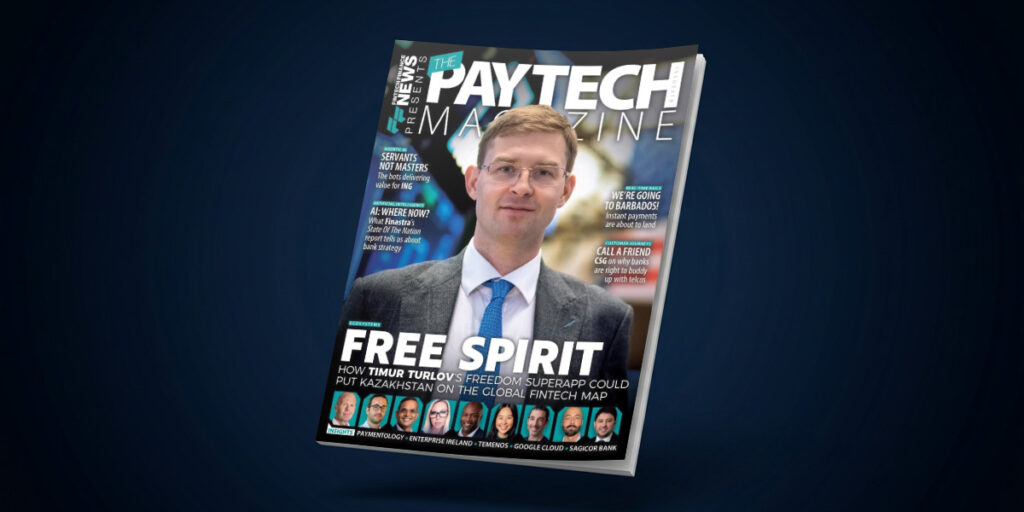
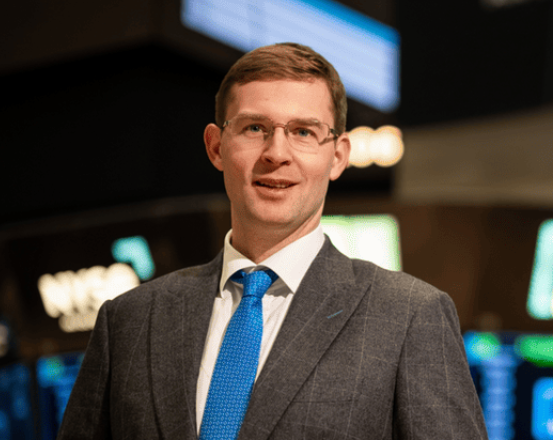
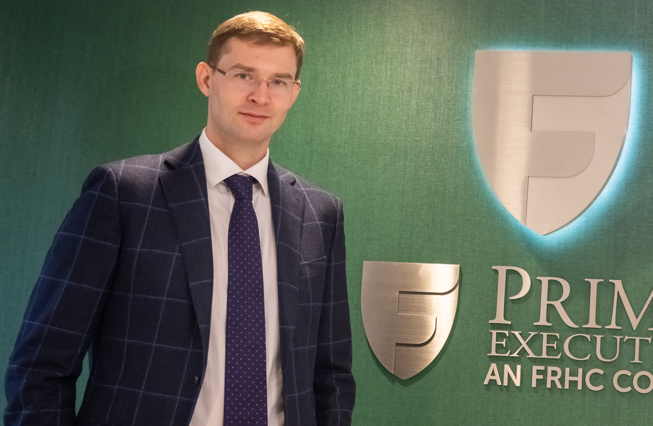
One of the most anticipated speakers was Timur Turlov, CEO and majority shareholder of Freedom Holding Corp., the company that also served as the main sponsor of the three-day forum.
Timur Turlov emphasized the importance of IT competencies for a modern financial institution:
“In my view, IT is a bank’s core competence. The future of banking is technology. Finance professionals design the logic, but everything else is engineering.”
He highlighted that Freedom Holding Corp. is actively reducing its dependence on external technology providers. According to Turlov, a competitive advantage in the digital era lies in full control over internal technological solutions.
Speaking about the technological independence of a digital bank, Timur Turlov noted:
“It is impossible to be a true digital bank if you don’t control your own core. We started by buying ready-made solutions, then we began to redesign them, and now our goal is full control over card processing and the core banking system.”
Timur Turlov added that many digital banks eventually move toward developing in-house systems:
“The larger the organization becomes, the more difficult and expensive the migration. That’s why we leverage our advantage as a young bank — we switch to the best technologies now, while it is still relatively inexpensive.”
Discussing how the company attracts and retains top engineering talent, Turlov said:
“Over the past 10 years, everyone has realized that the main assets of a bank are neither money nor technology, but people. We are building the brand of a tech-driven company. In Kazakhstan, we assembled one of the strongest teams in the market — and that is exactly why we were able to build one of the country’s leading digital banks. Without talent, this would be impossible.”
About Freedom Holding Corp.
Founded in 2008 as a brokerage company, Freedom Holding Corp. has significantly expanded its global presence over 17 years. The company’s market capitalization on the NASDAQ exchange has reached $10 billion. The holding operates in 23 countries and actively implements innovative solutions in the financial services sector.
Timur Turlov, the founder and majority shareholder of Freedom Holding Corp., has a personal net worth estimated at $7 billion. He has built a major international financial group based on strategic vision, technological innovation, and the ability to adapt quickly to changes in global markets.