German BNE Interview with Timur Turlov: The Steppe Challenger
Freedom Holding’s founder Timur Turlov has built a financial empire across Central Asia. Now, armed with a super-app, a Nasdaq listing, and a conviction that regulators are finally ready to listen, he wants to take on the West.
There is a particular kind of confidence that comes from having already won a fight most people said couldn’t be won. Timur Turlov radiates it. The founder and chief executive of Freedom Holding Corp has spent the past decade building a financial services group across Kazakhstan and the wider Central Asian region – a market that, by his own account, has become fiercer and more consolidated than anything you would find in Frankfurt or Paris. Now he is setting his sights on the West.
«Presence in these two markets – Europe and eventually the US – is essential to survive in the long term,» he says. «The survival of your technology will depend on which markets you are present in.»
He gestures toward the logic of digital-age consolidation: Google, Meta, Bitcoin.
«Technology concentrates everything. Outside of some closed countries, tech is becoming global. Look at stablecoins. There is really only one currency in the world right now – the US dollar. The euro exists, others exist, but they are very small. That is how, in the meantime, technology concentrates everything.»
The argument is straightforward, even if the road ahead is not. To survive as a standalone technology and financial platform, you must be visible in the markets that set the global tempo. Everything else, eventually, becomes marginal.
The super-app wager
Freedom Holding is best known in international markets for its brokerage arm, which has been listed on Nasdaq since 2019 and has operated a Cyprus-based business, under the subsidiary Freedom24, serving European clients for more than a decade. But the real engine of Turlov’s ambition is something newer: a super-app, currently ranked number one and number three on both the App Store and Google Play in Kazakhstan. It bundles banking, investment, e-commerce, travel, ticketing, loyalty and more into a single ecosystem.
The growth numbers are striking. Two years ago, Freedom had around half a million customers in Kazakhstan. Today that figure stands at 5.2mn – more than a quarter of the entire population. In payments, the company has taken roughly 15% of market share from Kaspi, the Nasdaq-listed domestic champion that once commanded 85% of economic transactions in the market. Kaspi is now at around 70%.
«Kaspi is a great competitor – Nasdaq-listed, huge market presence, 13 to 14mn users, almost everyone in Kazakhstan,» Turlov says. «And we took around 15% from them in a single year. So it is possible to compete even if someone has already consolidated the market.»
The super-app’s loyalty programme is, by Turlov’s telling, the most distinctive element of the proposition. Cashback earned on the platform is automatically converted into fractional shares of Freedom Holding Corp itself – what the company calls «Freedom Currency.» Customers become shareholders; their engagement and the company’s fortunes are, by design, entangled.
«I don’t just make money from them,» he says. «I am sharing value with them. If the bank is rising, so will their wealth.»
There are other layers. “We have already developed a technology which may compete with [travel agency] expedia”, built on direct relationships with multiple airlines and the ability to surface complex routing solutions while returning agency margins to customers. The company has grown from roughly 10% market share in flights to somewhere between 25 and 30%. There are also card design collaborations with DC Comics – «an invention from my team, not my idea,» Turlov notes, with visible pleasure. “We issue a lot of different cards, and it’s another one of our features because it just looks better than other banks. It’s also a minor advantage”. «The ecosystem is big,» he says. «It is not one reason that makes the difference, but a combination of all the features we provide.»
The regulatory lock
For all the momentum in Central Asia, the path into Europe and the United States runs directly through a stubborn problem that no amount of market share in Almaty will solve: licensing.
Turlov is characteristically clear-eyed about this. «We are very interested in the western market, but this doesn’t only depend on us – it depends on the regulators.» He invokes the cautionary tale of Revolut’s years-long struggle to secure a UK banking licence. «If there was a way to do this in one year by focusing all our efforts on it – but unfortunately, no.»
The options are familiar to any fintech executive eyeing European expansion: buy a licensed bank and inherit its infrastructure, or build from scratch and endure the approval process. In Turlov’s eyes, “it’s the same thing. It’s a bit shorter [buying a bank] but on the other hand you can build your infrastructure from scratch and there will be no legacy system, you can just build what you want it to be. The key issue is regulatory consent.”
And yet, Turlov remains undeterred, stating “we still believe that we have a better chance than anyone else ever had”
What gives him confidence that Freedom can succeed where others have struggled? He points to a constellation of factors. The company has met the Securities and Exchange Commission’s reporting standards for years – not a common credential for a business headquartered in Kazakhstan. Its Cyprus brokerage has operated within European financial regulation for over a decade, moving through successive iterations of the rules. And the regulatory climate, he believes, is shifting.
«We are seeing promising signals. It looks like regulators in Europe are starting to shift toward some risk-taking, dealing with modern companies, and becoming more open to innovation from abroad.» He mentions anticipated appearances at high-level European regulatory conferences – unusual for a Central Asian firm – as evidence of a changed posture. France, he notes, was historically resistant to financial entrants from outside its traditional orbit. «Now it looks like they have realised that Revolut was their mistake – not being on board.» He notes, «Revolut broke some ice. And now a lot of regulators are becoming much more open.»
Capital, control and the long game
Expansion at this scale requires capital – and lots of it. Turlov is candid about the dilution this implies for his own position. «As we continue to grow, I will continue to decrease my shares, mostly through issuing new shares to finance our growth.» He is specific about the quantum involved. Freedom is looking to acquire a bank in Turkey and this, he says, would require up to $300mn in net capital investment over the next few years to meet regulatory requirements. European entry would demand further capital injections. «Each country requires the bank to maintain enough capital. I will be happy to decrease my shares.»
This equanimity about control is, he argues, not just pragmatic but philosophically consistent. «I don’t like to be a controlling shareholder. In the moment I fail to get re-elected as CEO, I don’t have to steal back the position. I’m sure I will be able to convince my investors of my strategy even if I have no shares of Freedom at all.» What matters, he says, is the confidence of shareholders, board and customers – not a blocking stake. «If I lose the confidence of my board, I will surely also lose the confidence of my customers and counterparts. It will not be much of a company.»
It is the kind of statement that sounds simple but carries weight from someone who built a financial institution from scratch in one of the world’s more challenging regulatory environments, grew it to cover a quarter of a national population, and is now preparing to test whether the logic of the steppe can travel.
Turlov, at least, appears certain that it can.
Source: https://www.intellinews.com/interview-the-steppe-challenger-437474/
Other news
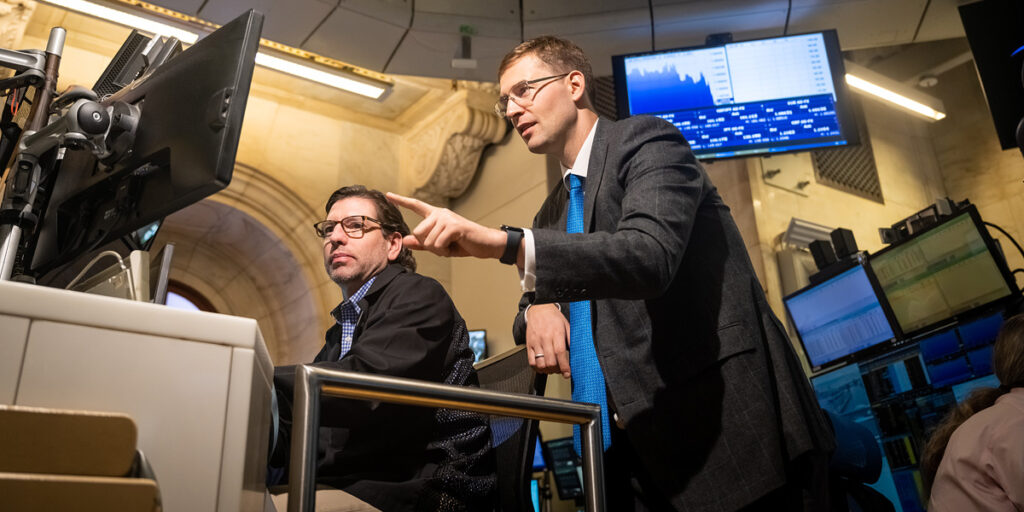 From First Investments to Nasdaq: How Timur Turlov Built His F...
 Timur Turlov Meets with NIS Students in Almaty to Discuss Lead...
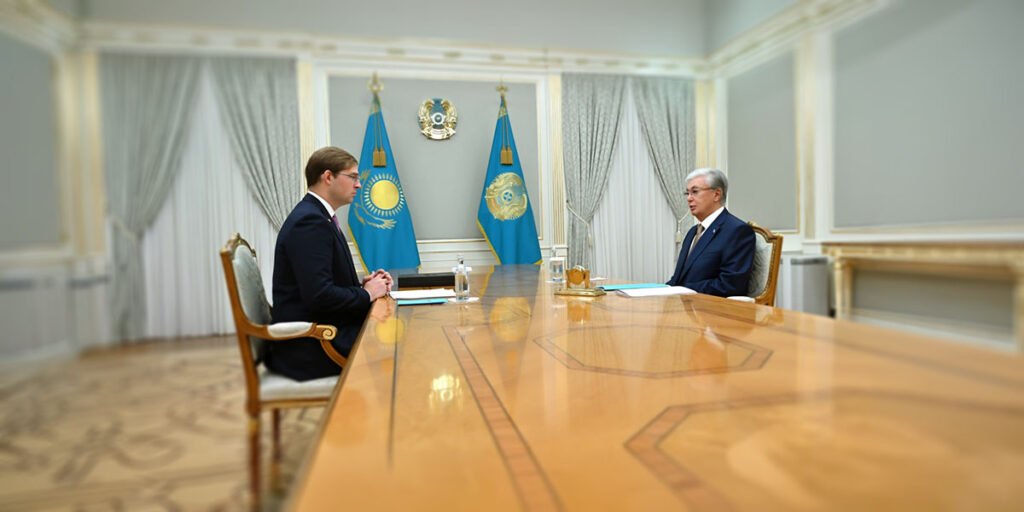 President Tokayev Congratulates Timur Turlov on His Election a...
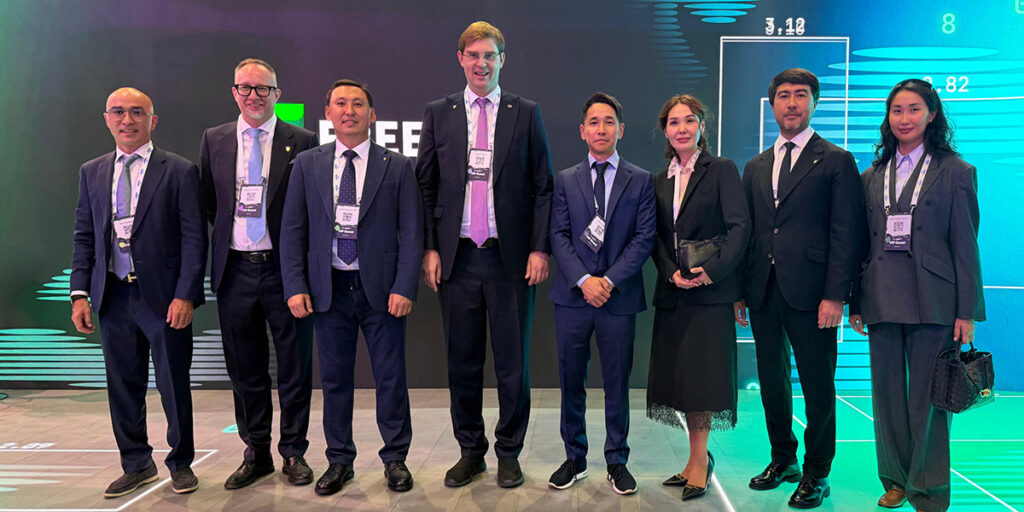 Timur Turlov: Freedom Is Developing an AI Assistant for Custom...
 “Armenia Can Become a Bridge Between Europe and Central Asia” ...
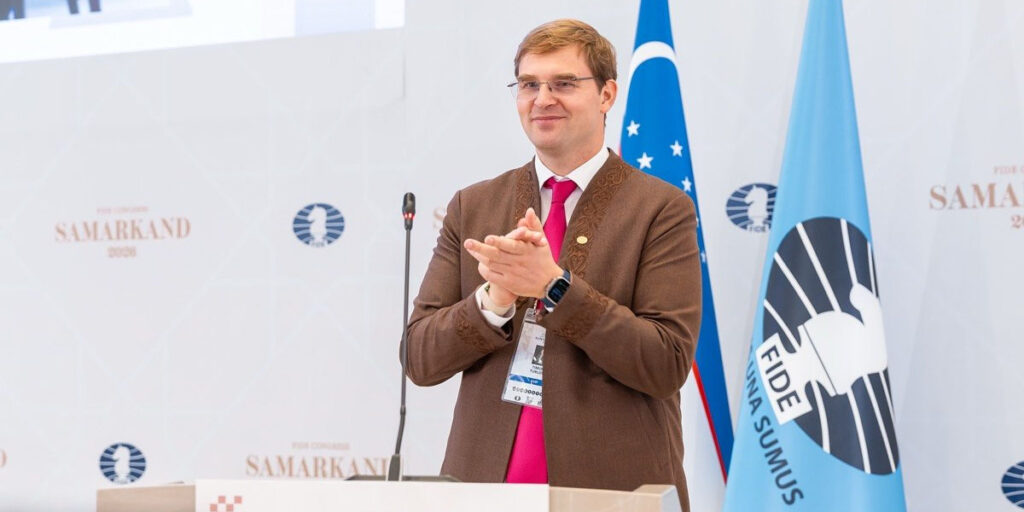
 Timur Turlov elected FIDE president: what he plans to change i...
 Timur Turlov spoke to ChessBase about what chess teaches us – ...
 FIDE Presidential Election in Samarkand: Timur Turlov’s Campai...