Timur Turlov spoke to ChessBase about what chess teaches us – not only at the board, but in life
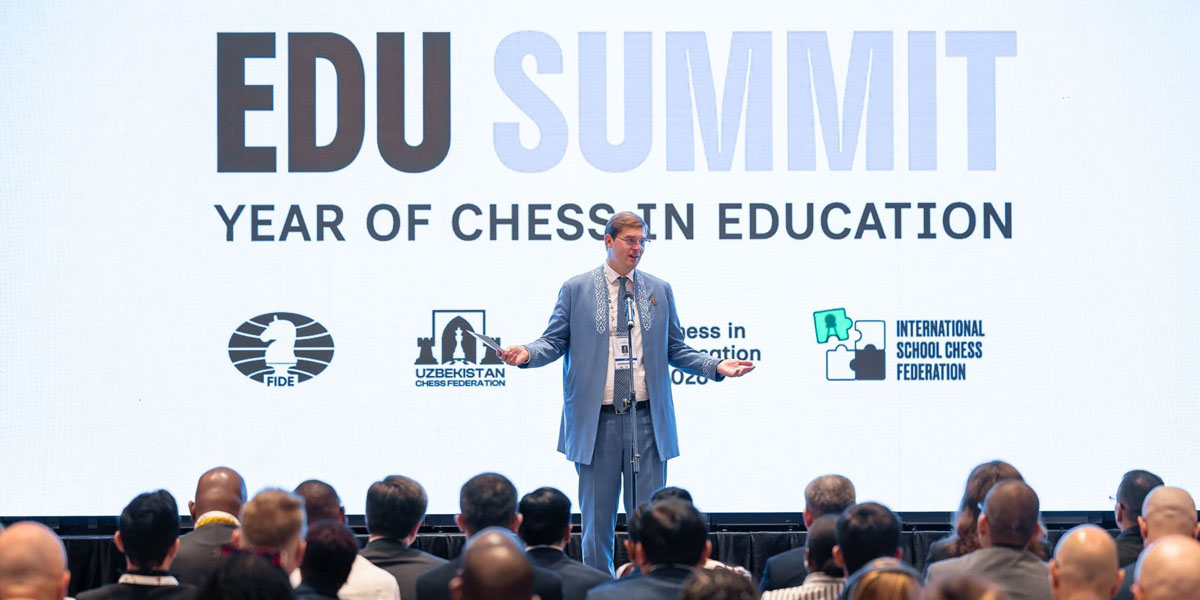
Ahead of the FIDE presidential election, candidate Timur Turlov gave an interview to ChessBase. Turlov, who already serves as President of the Kazakhstan Chess Federation and the International School Chess Federation, spoke about how this intellectual sport teaches people to make better decisions and outlined his plans as a candidate for FIDE President.
This time, I would prefer not to talk too much about chess politics – I am more interested in chess itself. When I read your biography and listened to your interviews, I became curious: when and how did you start playing chess?
I think my first teacher was my grandfather, which is quite typical. I was about five years old. Unfortunately, we did not live together, so I did not have much opportunity to practice. It was a difficult time for our region – the Soviet Union was beginning to fall apart.
To be honest, especially during my childhood, access to chess infrastructure was limited. There were already far fewer chess clubs than before. I never trained at a chess club, and perhaps that is why I never became a professional chess player.
Were you interested specifically in winning, or in the game itself? Perhaps you liked the pieces, remembered how your grandfather taught you to play, and felt that special fascination chess can inspire?
Absolutely. From a very young age, I had great respect for chess. I understood that it was a game for exceptional people. As a child, I read books and stories about grandmasters, including fiction. If a fictional story featured a character who played chess extremely well, that character was always portrayed as an outstanding and respected person.
He was not simply a respected person – he was a grandmaster. I think that in the atmosphere of the former Soviet Union, the attitude toward great chess players went beyond simple respect.
Later, you remained interested in the game but did not pursue it seriously: you did not join a club or try to win championships or tournaments. Chess remained more of a hobby?
Yes. I think I discovered chess for the second time when my children started school. Their school in Almaty offered extracurricular classes. One day they came to me and asked, ‘Do you know how to play chess?’ I said, ‘Yes – why don’t we play?’
How many children do you have?
I have six children: three boys and three girls.
Wow. You are a busy man. So it was your children who brought you back to chess?
Yes, absolutely. I realized that chess is a wonderful social tool. For me, it is a way to connect with my children. I can sit down at the board with any of them except my eldest daughter: she is already 17 and is a little less interested in chess.
When I come home from work, we have dinner, and afterward we can spend half an hour or an hour playing. The children take turns playing one another to decide who wins and gets to play the next game. It is a wonderful experience.
I also realized how powerful chess can be as a tool for developing concentration. It helps children sustain their attention for long periods, teaches them to anticipate an opponent’s response after making a move, and to understand what may come next. I think it is a wonderful exercise for all of us.
Yes, chess also teaches patience and many other things.
Exactly. Today it is very difficult for children to concentrate when they are on their smartphones and endlessly scrolling through social media. But chess gives them an activity they enjoy and do not have to be forced into. They can sit quietly for dozens of minutes, looking at the board without getting distracted or feeling any inner resistance.
How did you move into organizing chess events? There must have been a huge journey between playing with your children and becoming President of the Kazakhstan Chess Federation.
I first started helping the chess club my children attended. I think that was my first step. I began talking to the club staff about how we could help, what else could be done, how we could enable them to work with more children, and how we could build a broader vision for the development of chess.
I became genuinely passionate about it. I started training with the same coach as my children, and he began teaching me as well. I learned some of the basics – both the theory and practice of the game. Of course, I do not claim to be a professional chess player, but those lessons became an amazing experience for me.
Since you mentioned it: how, in your view, are chess and business connected? Can knowledge and skills be transferred from one field to the other? People often say chess is useful for thinking and for business because it develops a strategic mindset. You are a successful entrepreneur and, as I can see, an enthusiastic chess player. Can chess really teach you something that is useful in life and business? What would you highlight in particular?
I think the main lesson is understanding how my own brain works: under what circumstances I make better decisions and play better, and under what circumstances I perform very poorly. I began to understand what the quality of my play depends on.
If I start the day well and I am not under pressure or experiencing severe stress at work, I usually play better. But if I am nervous or have slept badly, the quality of my decisions drops sharply. That was an important lesson for me. I used to think that in business I always made decisions of roughly the same quality. But that turned out not to be true. I definitely made far more mistakes when I was tired, sleep-deprived, or stressed. When I was calm, I performed much better.
Are there other skills that chess has taught you in relation to business? For example, the ability to think several moves ahead or to use strategy? Can you describe a moment when you clearly realized how important this was for decision-making?
Thinking several moves ahead is an even more obvious example. If I do this, how will my partner respond? And what will I need to do after that response?
You need to consider several scenarios and understand whether they can lead you to a better position. You also have to assess serious risks: if your opponent reacts not the way you would like, but differently, will you be able to handle the consequences? The greatest frustration often comes when your opponent makes a completely obvious move after yours, yet you still find yourself unprepared for it.
Was there a moment in your life when, before an important business or personal decision, you consciously told yourself, ‘Stay calm’?
Early in my career, I was taught to make decisions instantly, like in blitz. For a long time, I thought the amount of time spent thinking did not have much impact on the quality of a decision. But later, including through chess, I realized that I make much worse decisions when I am under stress.
That is why preparation matters. Not only because it directly helps you make better decisions, but also because it reduces stress. You feel more confident and calmer, which ultimately also leads to a better decision.
Beyond these reflections on chess, how did your career as a chess official develop after you began supporting the club your children attended?
After some time, my partners noticed that I was passionate about chess. They also began telling me about various initiatives. The former President of the Kazakhstan Chess Federation told me that Kazakhstan was going to host one of the legs of the Women’s Grand Prix in Astana. He asked whether I would be interested in sponsoring the event.
Because of my attachment to the game, I was happy to come, meet representatives of FIDE, and see chess players whose online lessons I had previously watched on YouTube.
Some of them were taking part in the tournament. For example, I saw Alexandra Kosteniuk. Before that, I had watched many of her lessons on chess fundamentals. It was an unusual feeling, something like: ‘I have seen you on television, and now you are standing right in front of me. A real legend.’
There is a well-known saying: ‘Never meet your heroes.’ You can admire a writer, an actor, or a chess player from a distance, watching their work. But sometimes your impression changes when you meet them in person.
To be honest, I was never disappointed. Perhaps that is because I was not overly enchanted by their personalities in the first place. These meetings happened when I was already old enough not to idealize people or make wild assumptions about them. But honestly, no one seriously disappointed me.
Is there a chess player, male or female, whom you particularly admire?
I think Vishy (Viswanathan Anand – Timur Turlov’s candidate for FIDE Vice President – editor’s note). Vishy is amazing. I am very proud to be running in the election together with him. He is a five-time World Champion and an incredibly popular person. And I think that, despite all that, he remains a completely normal, down-to-earth human being.
To conclude, let me ask one final question. Looking back at your chess career – if that is the right term – or at your life in and around chess, was there a particularly special moment?
I saw the President of our country receive our young champions, and I felt proud of these young talents and of the recognition their work had received. I thought that perhaps, with some help from us as well, they were able to realize their potential and give our country many reasons to be proud.
These are outstanding talents, capable of winning championships in their age categories and becoming the best of the best in the world. We can achieve results like these through the joint hard work of the federation and our entire team. Of course, the foundation is their enormous, exceptional talent, along with the support of their parents and coaches. But this is what we truly believe in.
Kazakhstan is a young country of technologically optimistic and intellectually minded people. At the same time, we have rich chess traditions and a genuine love for the game. When we began implementing our chess development plan, it started producing new results while also presenting us with new challenges. I am very proud of what we are doing and of our ability to contribute even to the country’s image and to how our nation is perceived.
Other news
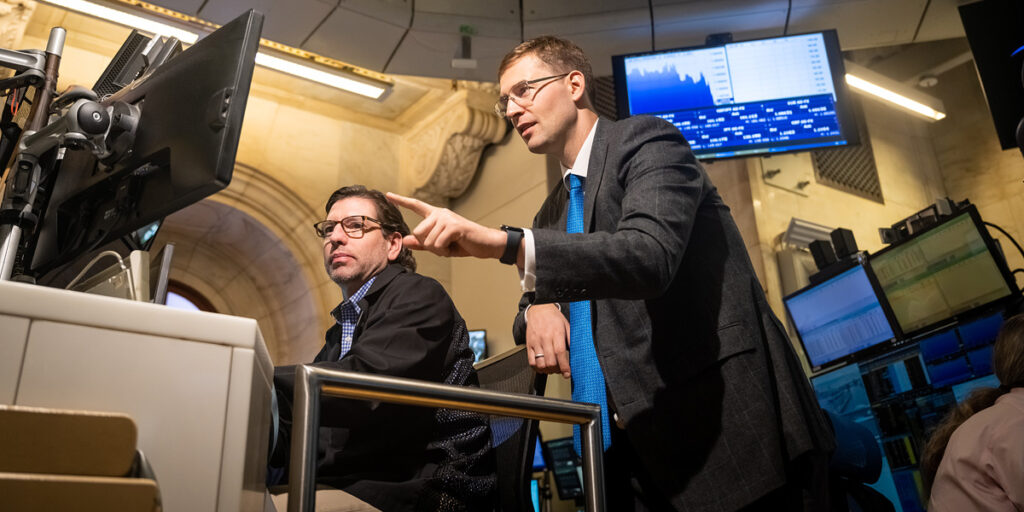 From First Investments to Nasdaq: How Timur Turlov Built His F...
 Timur Turlov spoke to ChessBase about what chess teaches us – ...
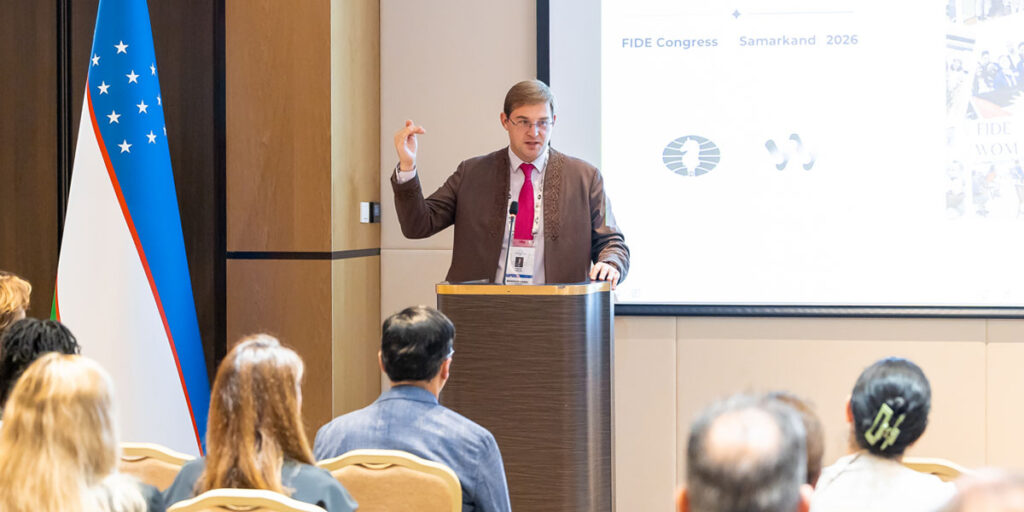 FIDE Presidential Election in Samarkand: Timur Turlov’s Campai...
 Freedom Media Agrees to Cooperate with South Korean Broadcaste...
 Freedom Bank Wins Two Awards for Advancing Fraud Prevention...
 “Kazakhstan Will Diversify Its Economy Amid an Influx of Inves...
 From Groceries to Travel: Freedom Holding Corp.’s E-Commerce S...
 S&P Global Ratings and Moody’s Upgrade Ratings of Freedom...