World Chess Boss Wants to Beat Revolut at Fintech’s Own Game: Timur Turlov for Bloomberg
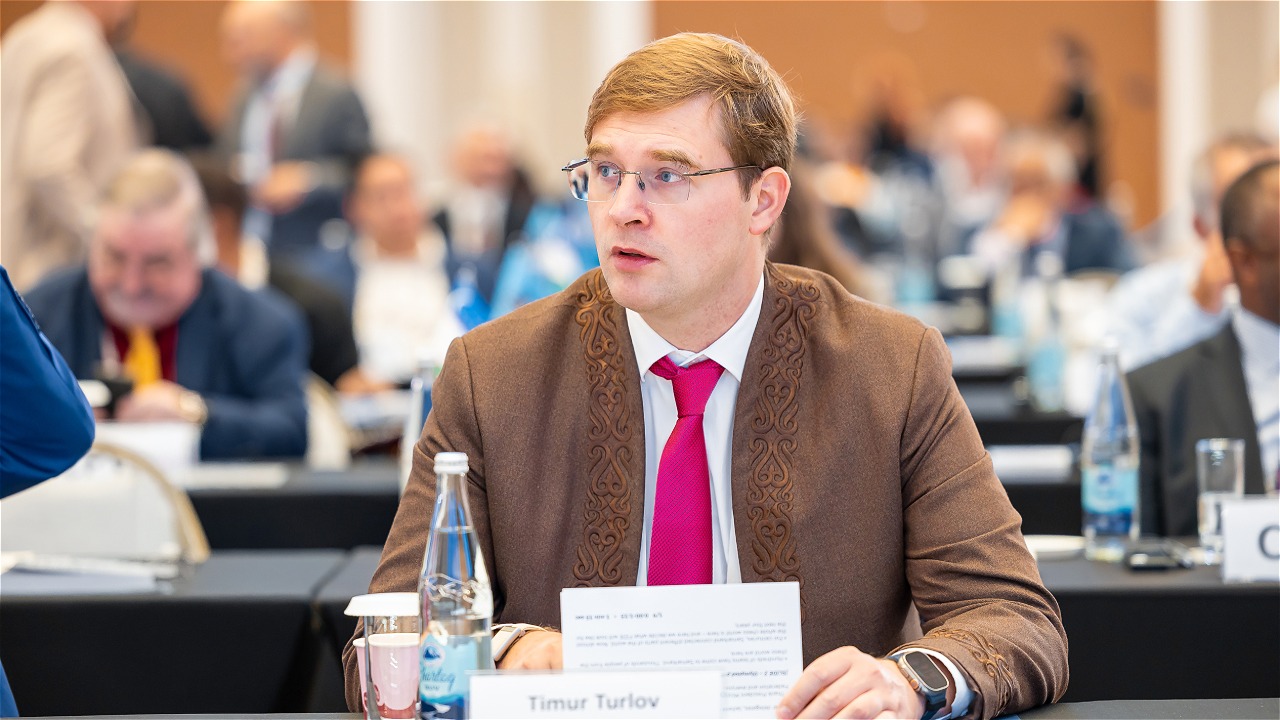
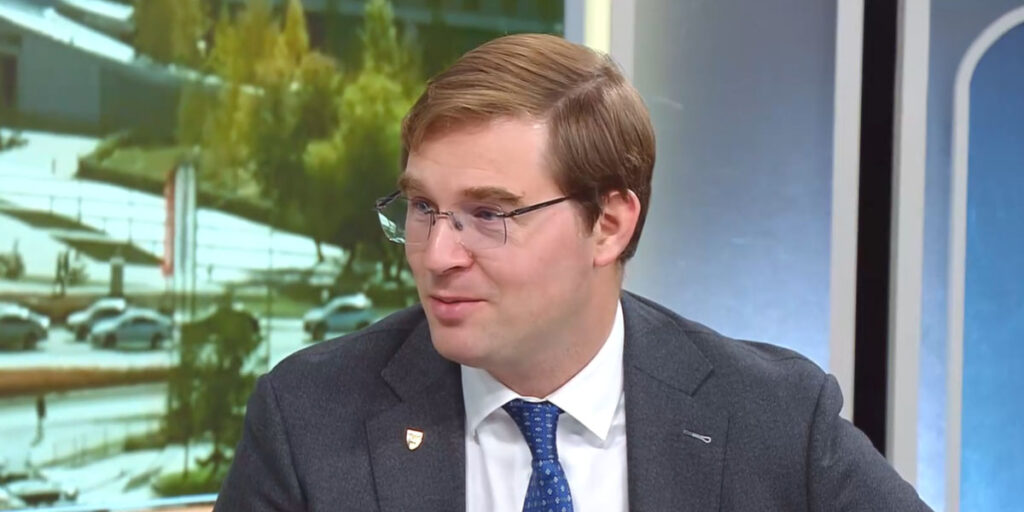
Timur Turlov gave an interview to Bloomberg, where he explains his ambitions to scale his Freedom SuperApp and shake up the global banking establishment, with plans to expand into Europe, the US, and emerging markets.
Timur Turlov has ambitions that echo those of fellow Russia-born fintech entrepreneur Nik Storonsky, whose Revolut has grown into one of the world’s most valuable startups.
But while Storonsky built his business from London, Turlov has honed his Freedom platform in the central Asian nation of Kazakhstan.
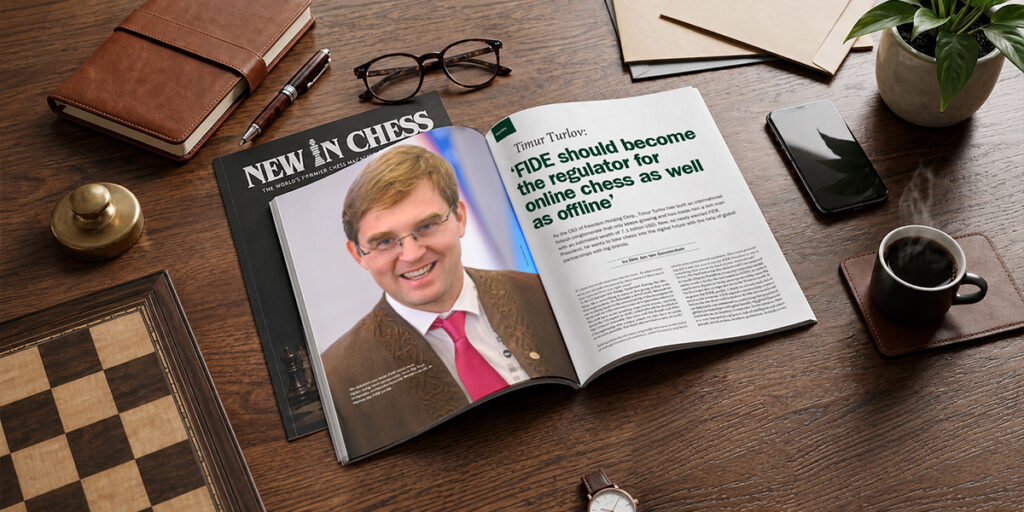
So far, the bet has paid off handsomely. The 39-year-old is now worth about $6.5 billion, according to the Bloomberg Billionaires Index, and his fortune grew by more than a quarter this year alongside a rally in Freedom Holding Corp.’s volatile shares. Turlov, who was recently named head of the International Chess Federation, FIDE, is now plotting moves into Europe, the US and emerging markets, many of which have close economic ties to his adopted home.
“I believe we can compete with them,” Turlov said in an interview with Bloomberg, referring to Revolut. “We learn a lot from what they do, but we also think we’ve been able to take many things a step further.”
Freedom is now Kazakhstan’s top retail brokerage and has also acquired a local bank, several insurance firms, a telecommunications company and other businesses, building an ecosystem spanning ticket sales, an online movie platform, grocery delivery and internet services. Last year, it also announced plans with Kazakhstan’s government to develop a $2 billion sovereign AI hub using Nvidia Corp. infrastructure, with Freedom intending to act as the main financing and implementation partner.
After years of rapid growth, the group’s so-called SuperApp now brings its main services onto a single platform, which had about 2.6 million monthly active users as of March. It remains smaller than two major local Kazakh rivals, but Freedom now plans to export its Kazakhstan model to other markets.
“We are making a major push for growth, starting with plans to scale its SuperApp internationally,” Turlov told Bloomberg.
In June, Freedom applied for a banking license in France and said it would invest about €500 million ($551 million) to build a digital financial ecosystem there, using the country as a base for a broader push into European banking. The same month, Turlov also became the first Kazakh business leader to attend the Choose France summit, where President Emmanuel Macron hosted more than 200 CEOs in Versailles to discuss foreign investment.
Freedom completed the acquisition of Turkish Bank AS in July, with plans to modernize the lender, expand retail and corporate products, and link banking with investment services. A separate Freedom unit also secured a brokerage license in the country in August.
The company also owns brokerage operations in several other countries and plans a digital bank in Georgia.
Yet Kazakhstan now is a key to Freedom’s expansion abroad, which is largely focused on markets with close economic or strategic ties to the country. France is one of Kazakhstan’s key European investment partners, while Turkey has deep political, economic and cultural links with the Central Asian nation.
Turlov relocated to Almaty in 2011, aged 23, betting his fledgling brokerage could make its mark quicker there than in Russia’s crowded financial industry. After the Kremlin sent troops into Ukraine in 2022, Turlov renounced his Russian citizenship and took a Kazakh passport. His Nasdaq-listed Freedom Holding also sold its Russian operations, formally exiting the market by February 2023.
Turlov himself has been building a separate business empire by acquiring Kazakh assets in mining, logistics, an airport and the Tatler magazine franchise.
On Nov. 5, he agreed to pay $300 million for a controlling stake in Ak Zhayik Capital, which owns Kazakhstan Grain Consortium. This would be achieved by swapping his shares in Freedom Holding so the seller will be able to offload “on the secondary market through agreed professional market participants.” State-run Baiterek National Investment Holding will own 49% of the grain-producing holding, according to US regulatory filings.
Since making Kazakhstan his home, Turlov has also embraced Kazakh cultural imagery in public, appearing at events in clothing decorated with traditional local motifs.
He began his career in finance while still a student in Russia and later worked in the brokerage arm of a Russian bank, helping develop infrastructure for trading on US exchanges. He founded Freedom Finance, an investment firm focused on providing access to American markets in 2008 at the age of 21. He now owns about 65% of Freedom Holding, whose shares have traded on Nasdaq since 2019.
Still, Freedom’s rise hasn’t always been plain sailing.
The company’s shares fell almost 11% last week after it missed a deadline to file its quarterly report and amid news that Turlov would use some of his stock to pay for the stake in Kazakhstan Grain Consortium.
Its Kazakh business have also come under regulatory scrutiny over trades involving Turlov-linked firms, and Freedom units were fined over transactions authorities said were used to manipulate bond prices. The company denied the allegations.
In between leaving Russia behind and becoming one of Kazakhstan’s most prominent businessmen, Turlov also weathered a US short-seller attack and a long-running Securities and Exchange Commission investigation. Since 2021, the company and some officers and directors have received subpoenas over settlement practices, trading relationships, accounting, disclosures and internal controls. In March 2026, SEC staff issued a so-called Wells Notice to Freedom and Turlov, signaling that they may recommend enforcement action following the investigation.
Freedom and Turlov are contesting that preliminary determination, while the investigation is ongoing.
The billionaire said he “remains optimistic and confident” that the situation can be resolved successfully, either through an agreement with the regulator or by persuading the SEC to drop its claims. The SEC declined to comment for this story.
In October, Turlov unexpectedly faced another challenge, this time from his former homeland, Russia. The Prosecutor General’s Office brought an extremism-related case seeking to confiscate assets linked to Turlov and Freedom units over alleged financing of Ukrainian organizations, according to the Kommersant newspaper.
Freedom’s brokerage business still has some Russian clients, potentially making the situation a concern for the company. Just days before the claim, Turlov had also become the first Kazakh citizen to head FIDE. Any Russian move to seek an international arrest warrant could therefore complicate his travel and his role at the chess organization.
Prosecutors ultimately withdrew the case, which was closed just two weeks after it was opened.
Turlov welcomed the outcome even though he said his remaining assets in Russia were “insignificant” and that the lawsuit “didn’t pose an existential threat” to the company.
Beyond Kazakhstan
“Turlov has built a financial empire that stands out not only in Kazakhstan but across Central Asia,” said Temur Umarov, a fellow at the Carnegie Russia Eurasia Center. “It plays a key role in the development of the country’s financial sector and its digitization.”
The question now is whether Freedom can maintain its momentum beyond Central Asia’s biggest economy.
“We believe that sustainability of further group’s growth will depend not only on its ability to enter new markets but also on maintaining sound capitalization, disciplined group-wide risk management and effective corporate governance,” said Sergey Voronenko, director of Ratings of Financial Institutions at S&P Global Ratings.
In June, S&P Global Ratings raised the ratings on Freedom’s core subsidiaries to BB-, three notches below investment grade. In September, it revised the outlook on the group and those subsidiaries to positive.
For its projects in Kazakhstan, including data centers and an artificial intelligence supercluster, Freedom Holding last month agreed to borrow $1.16 billion from a unit of Baiterek.
To fund its international expansion, Freedom raised $300 million in July through a Nasdaq share sale. It is also planning its debut eurobond after registering a $1 billion program in Luxembourg, according to Turlov. He said the SEC probe had forced the company to delay plans for a yuan-denominated debt sale. –
For the eurobond, Freedom is taking an unusual approach by marketing the deal itself, he said.
“What doesn’t kill us makes us stronger,” Turlov said.
Other news
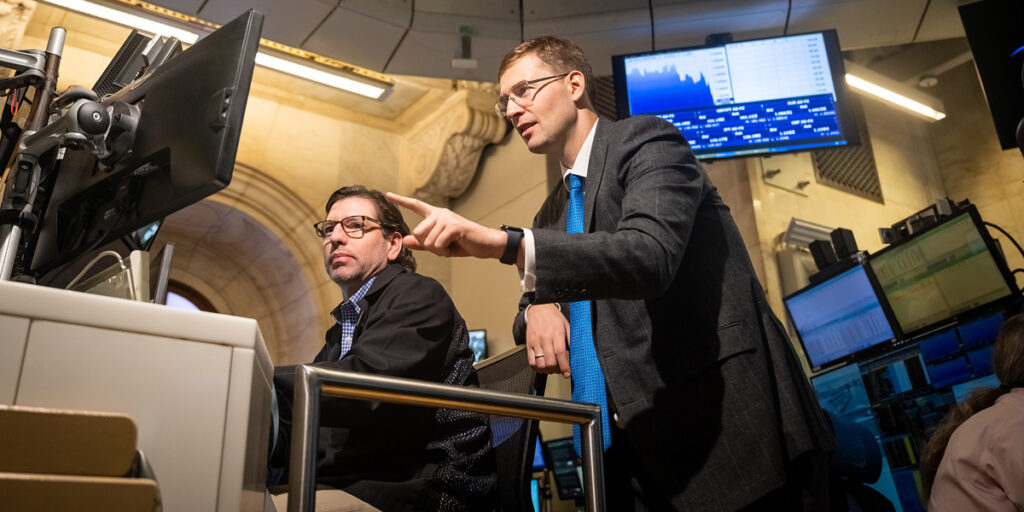 From First Investments to Nasdaq: How Timur Turlov Built His F...
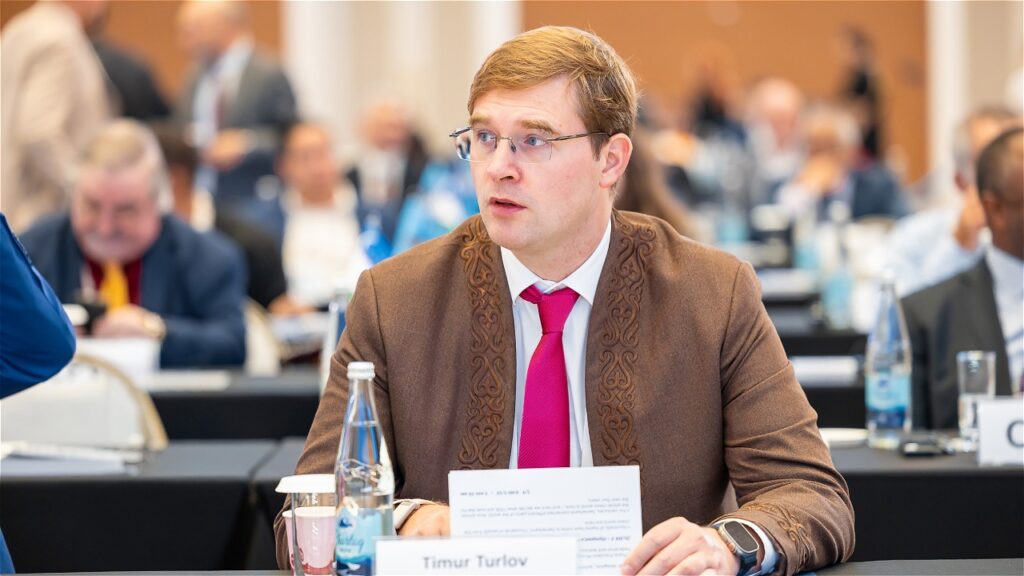 World Chess Boss Wants to Beat Revolut at Fintech’s Own Game: ...
 Freedom Holding Corp. Nearly Doubles Revenue, Reaches Record $...
 Freedom Insurance’s S&P Global Ratings Rating Has Risen T...
 Timur Turlov Calls Tiger Reintroduction in Kazakhstan a Decade...
 Timur Turlov: “FIDE should become the regulator for online che...
 Kazakhstan as an AI Computing Hub: Timur Turlov’s Projects and...
 Timur Turlov: “Chess Has Every Chance of Becoming as Popular a...